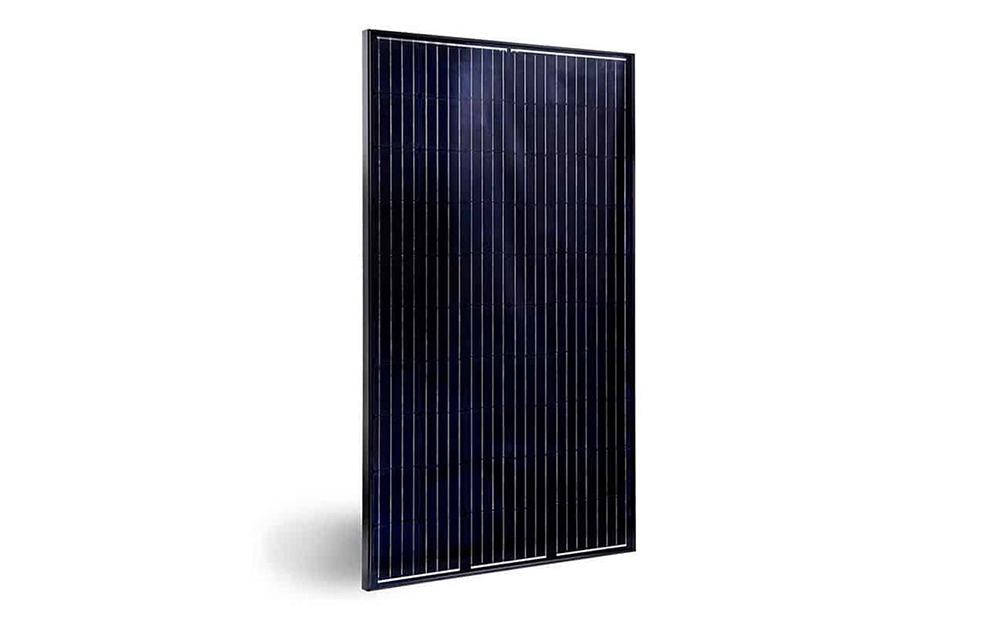
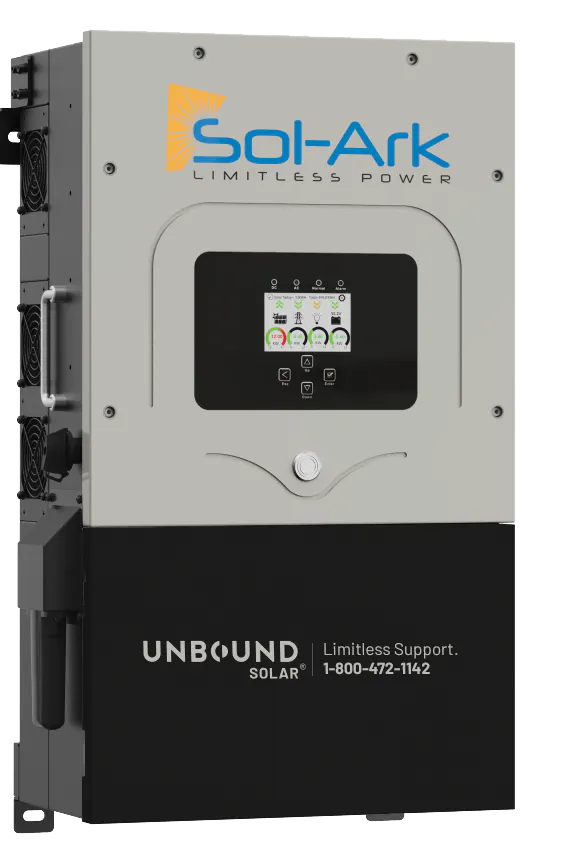
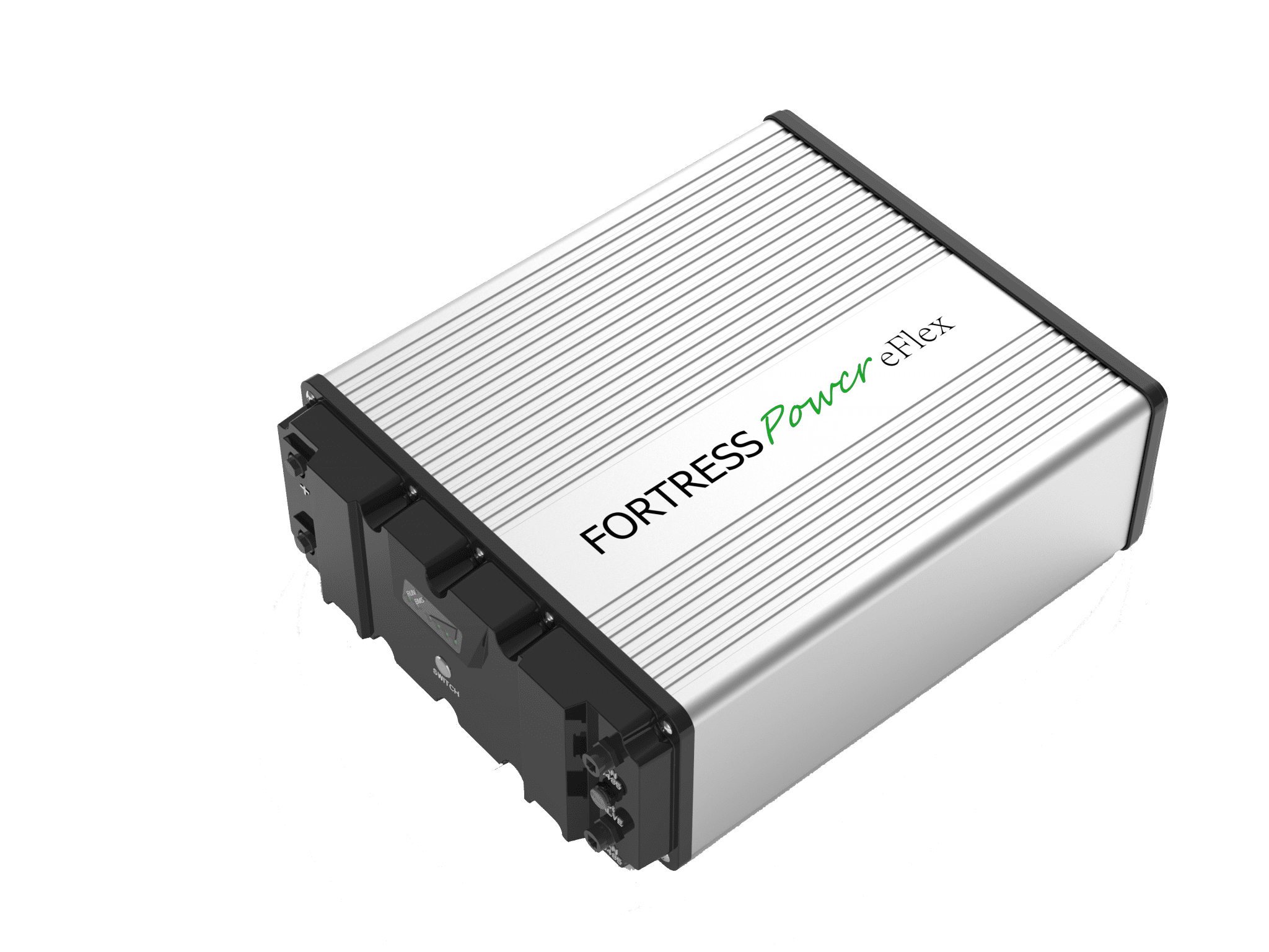
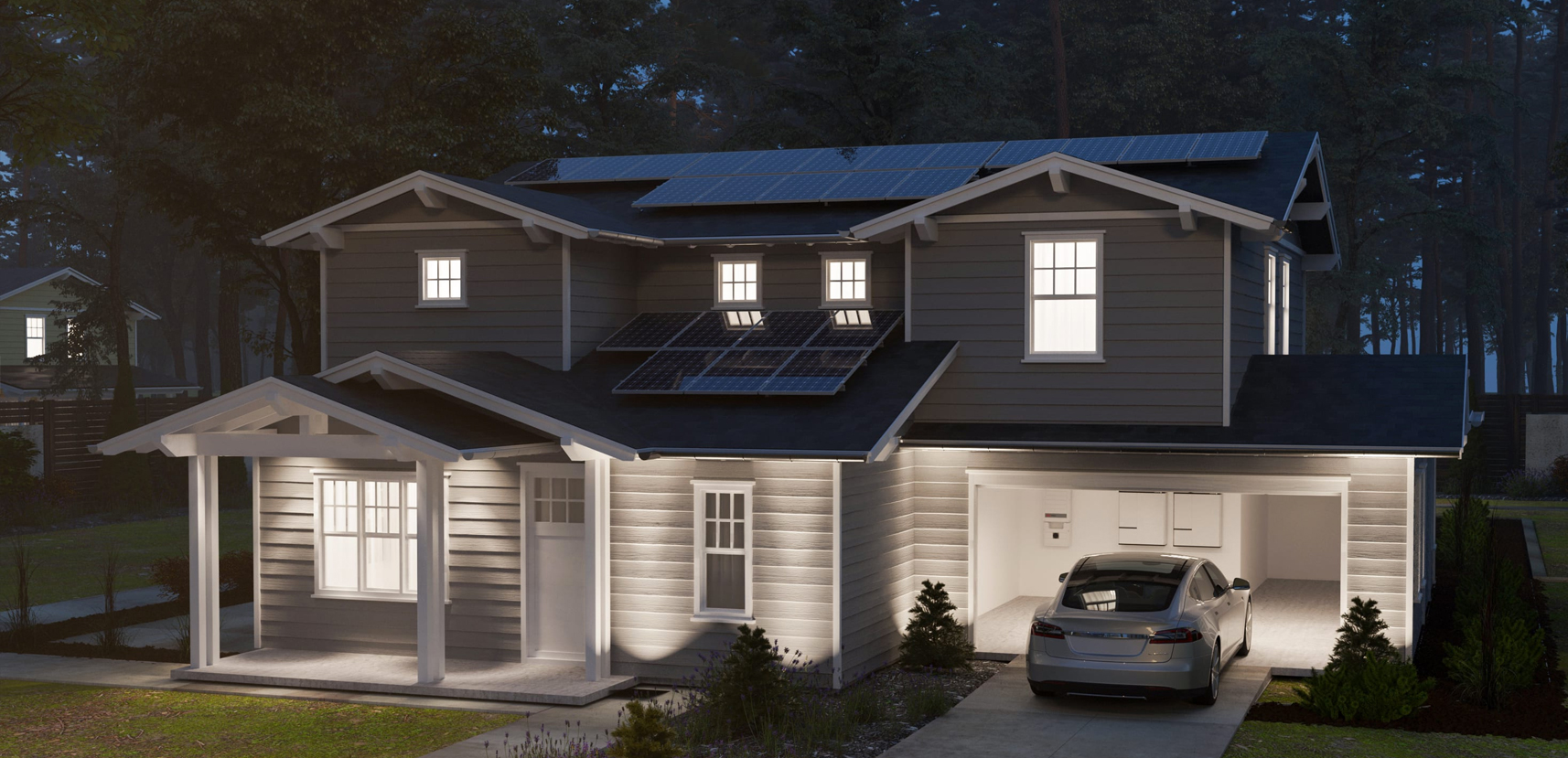
When the grid goes down so does your grid intertied solar power system, unless you have planned ahead. The Battery Backup Power systems below allow you to power critical appliances when grid energy is not available. When the grid is "up" your battery bank is kept charged by the grid. When it is "down", you are able to run your critical loads with the energy you have stored in batteries.
If you want to extend the use of battery power, you will need to add an additional source of electricity generation: additional, dedicated solar panels or a generator. The systems on this page will not be charged by your existing solar panel array(s) except when the grid is "up". However, as demand for independence from the grid grows, American inverter manufacturers have developed inverters which will allow your existing solar array(s) to charge a battery bank. See Gridtie to Offgrid packages.
Gridtie Add-On Battery Backup Power Packages - All Pre-Wired and Pre-Tested
The Backup Power systems below include four or eight batteries which can be kept charged by your grid utility connection while it is available. If the grid is not available, you can charge the batteries with gas generator, wind generator, or solar panels. |
| Backup Power Model |
Inverter Output |
Watt Hours |
AC Volts |
# of Batteries |
Possible Power Supply |
Part Number |
Price |
|
2,000 watts |
4,800 |
120 |
4 UPG UB-GC2 |
Grid or
Generator or
Solar Panels
|
9102000 |
$4,295 $4,295 |
|
4,400 watts |
9,600 |
240 |
8 UPG UB-GC2 |
Grid or
Generator or
Solar Panels
|
9344481 |
$6,275 $6,275 |
|
4,400 watts |
9,600 |
240 |
8 UPG UB-GC2 |
Grid only
|
9444480 |
$6,399 $6,399 |
All of the above Backup Power packages have an option to add solar panels.
Adding solar panels to your Back-up Power System qualifies you for a Federal tax credit of up to 30% off total cost, as well as solar rebates in many states. |
Example of Cost Savings by Adding Solar Panels
| Four Star 2000 Backup System |
|
$4,295 |
| Solar Add-on |
|
$799 |
| 30% Tax Credit |
|
-$1,520 |
| After Tax Credit |
|
$3,566 |
|
That's $729 less than the system Itself, before any state or local rebates. |
|
|
|
All Things Change....Including Motivations for Using Solar Power
There are some people who get into solar power because it is a good thing to do. It's good for the planet. It will ultimately reduce our dependence on expensive, polluting fossil fuels and will leave our grandchildren's children a healthier environment.
But most of us jump in for other reasons. Solar power allowed our family to buy affordable land in rural New Mexico. People we talk to these days are taking advantage of tax incentives to tie solar power into the grid. Some people just want to lower their electrical bill.
And then there are the pioneer spirited Americans who mainly want independence. They want independence from bank mortgages and from profit-making utility companies. They want independence from a grid-connected, debt-ridden culture that uses more than it needs and leaves large segments of the population in the dark.
Once you live with solar power, whatever your initial motivations, you really begin to see the beauty of the system. Solar panels, because they have no moving parts, rarely fail. They keep on producing, without polluting, for up to 40 years! The sun shines; you have free power. The sun goes away; you have to pay for grid power or use stored power.
By paying attention to how much electricity to you use and when it's best to use it, it gets easier to live within your electrical means. Your children have an experiencial understanding of power production and consumption. |
Gridtie Solar Power Users are Learning
Although there is an intial cost benefit with the lowering of the electrical bill, in the long run, that bill is never going to go away.
Most utility companies in America are run as profit making businesses. And although extra residential solar power fed into the grid now comes to the utility for free (other consumers have paid through rate increases for the rebates), the lowered price of electricity is not necessarily passed on to grid users. They are now tacking on charges for "infrastructure" maintenance.
Two factors are leading gridtie solar power users to search for ways to be independent of the grid
1) When the grid goes down, so does the gridtied solar power system.
All grid tied systems will shut off during a blackout because these systems are required by law to feature an automatic shut-off mechanism. These requirements are in place to protect utility workers working on a local line during a blackout. This is known as an Anti-Islanding requirement.
2) No matter how much electricity you produce and how well you live within your gridtied solar power system's capacity, the electric bill never goes to zero! The add-on's keep adding up.
When you are ready for grid independence, call Wholesale Solar and ask if our Gridtie to Offgrid packages are for you. |